Love rivers?
As spring turns to summer, invest in your community by giving to the rivers you love!
Give today!
Give today!
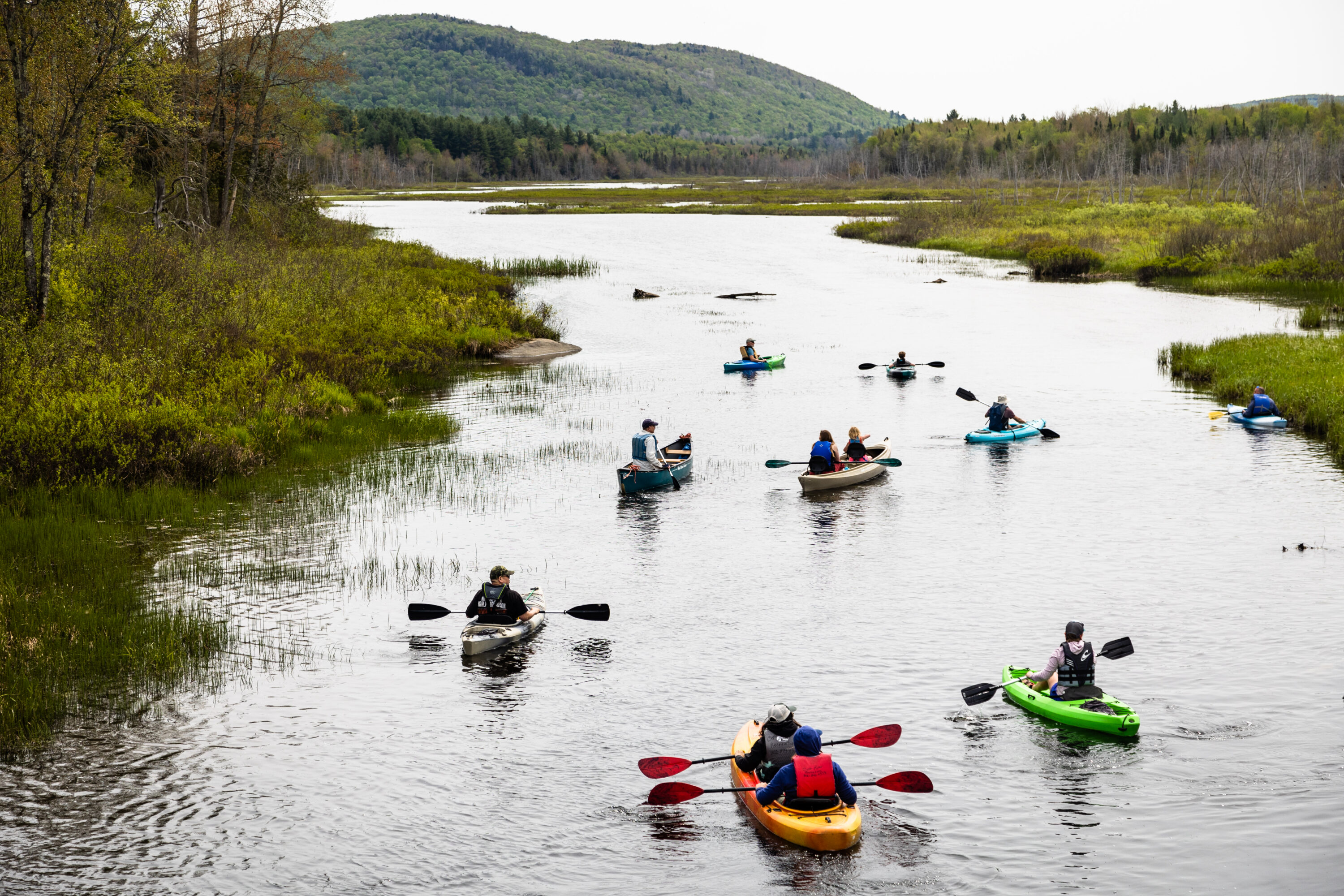
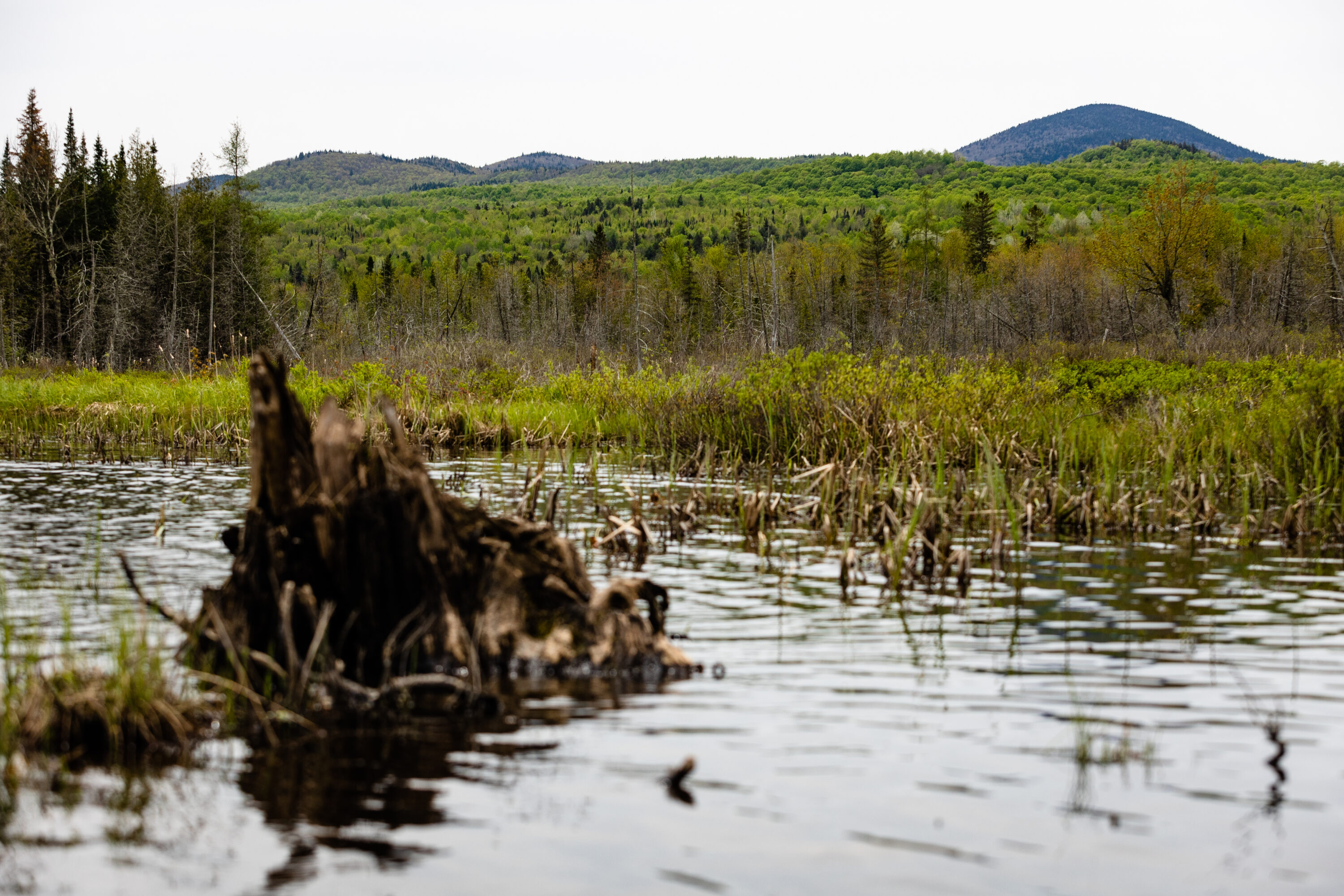
On World Fish Migration Day I had the chance to paddle the Clyde River with 40 new friends! From restoration professionals, to professional seed collectors, anglers, photo documentarians, and a little boy’s first time out on the water–the group paddled up and down the calm stretch of the Clyde. We paddled our way through the intermediate fen, a rare type of wetland rich in biodiversity and plant species.
May 23rd marked World Fish Migration Day — a global celebration held every two years to raise awareness about the importance of migratory fish and free-flowing rivers, reconnecting communities and waterways all around the world.
This year, Vermont River Conservancy teamed up with NorthWoods Stewardship Center to host a free paddle on the Clyde River in the hope of bringing community members together and restoring relationships to river ecosystems.
The Clyde River shares a rich history of what protecting free-flowing rivers can look like. Flowing from Island Pond to Lake Memphremagog in the Northeast Kingdom of Vermont, the Clyde River is an ecologically significant river system that supports wetlands, cold-water fisheries, and diverse aquatic habitats. The Class I wetland complex on the Clyde River acts like a sponge, filtering through all the excess sediment and nutrients from runoff and absorbing flood waters. Not only do these sponges reduce flood damage and improve water quality, they also provide beautiful waterways for paddling.
Like many rivers, the Clyde faces increasing threats from habitat fragmentation, hydropower dams, shoreline development, wastewater pollution, and climate-related changes in flooding. These pressures disrupt natural river processes, block fish migration, degrade water quality, and lead to increasingly severe and destructive flooding events.
The Clyde was once a global hotspot for anglers and supported strong populations of landlocked salmon, some weighing between 10 to 20 pounds. Over time, salmon populations declined, due to a combination of factors, including spawning habitat loss, salmon egg stripping by VT Fish and Game at the time (1920s-1940s), overfishing, and the construction of a series of small dams.
Then came the final straw–the construction of the #11 diversion dam in 1957. The dam blocked access to critical spawning grounds and diverted so much water that fish were often left dry in the depleted river channel.
After massive flood damage in the spring of 1994 and federal relicensing, the Federal Energy Regulatory Commission ordered a dam removal in 1996. Thanks to the advocacy from a local chapter of Trout Unlimited and Vermont Natural Resources Council, this marked the first time the agency ordered a dam removal to restore a river.
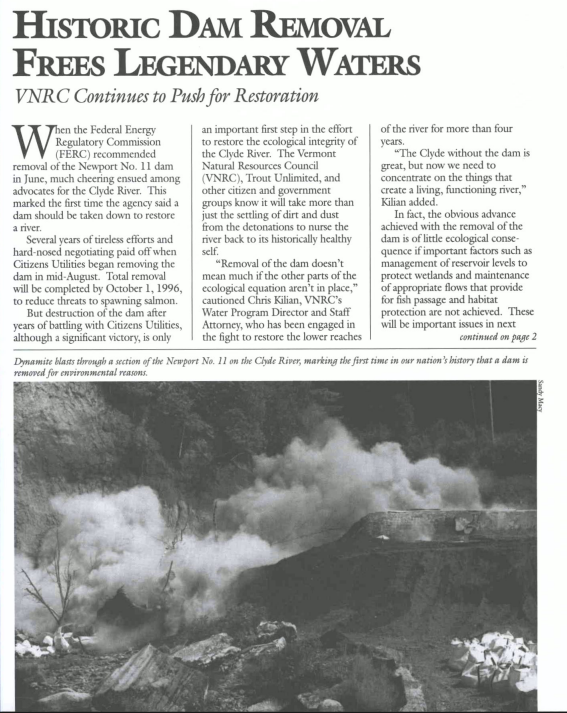
“Historic Dam Removal Frees Legendary Waters” Published by the Vermont Natural Resources Council, Inc on October, 1996
For the first time in over a century, fish from Lake Memphremagog could access the stretch of river from Derby to West Charleston through upstream and downstream fish passage facilities built at the powerhouse and dam. Not only did it restore fish passage for migratory fish, it improved water quality, instream flows, and recreational opportunities along the river.
What if this stretch of the Clyde could remain free-flowing? What if these river corridors were protected with diverse riparian habitat? What if these wetland systems remained safeguarding clean water? What if we could make sure that the next generations will be able to paddle along these wetlands?
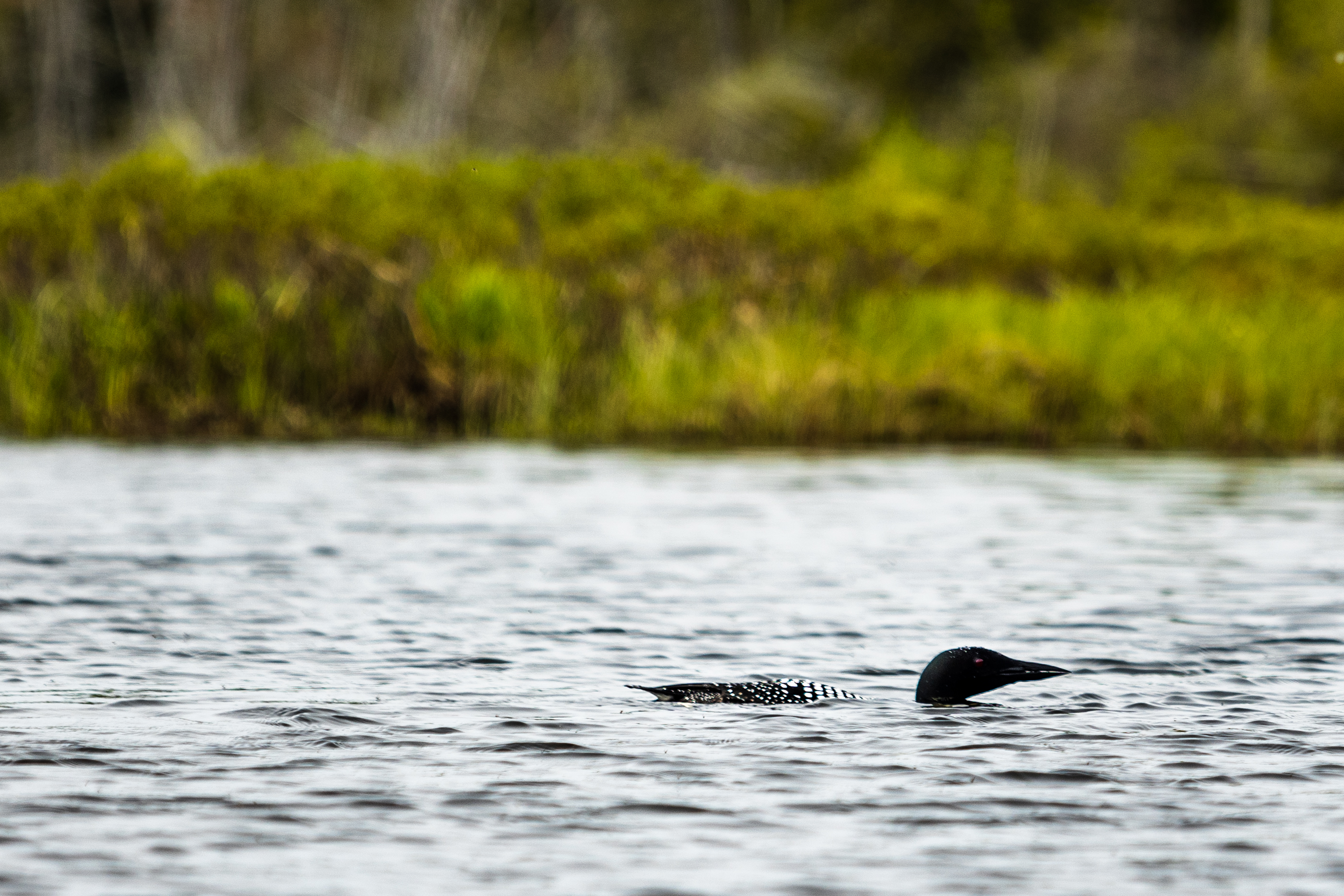
As we paddled on, we continuously spotted a great blue heron, flying away and hiding. Then, further along, appeared a Common Loon, diving up and out of the water in search of the next fish. If you’re lucky, in the green sea of newly emerged riparian tree leaves, we’d spot the vibrant yellow of the Northern Yellow Warbler. Above us fluttered the tree swallows in circles, feeding upon mid-air, in hope they’d eat the endless mayflies that had appeared. “You know it’s Memorial Day weekend when the mayflies show up!” said one of the paddlers from Clyde River Recreation.
This is what Vermont River Conservancy strives to protect: community paddling and wildlife. By building relationships with communities along the Clyde River and Memphremagog watershed, we strive to work together in protecting rivers with conservation easements and floodplain restoration efforts.
I was glad to team up with Jake Gallinger, Riparian Lands Program Coordinator Assistant at NorthWoods Stewardship Center, for this event. They are a lead in the Riparian Lands Native Seed Partnership funded by Vermont Fish and Wildlife. The native seeds they collect get used for experimental hydroseeding projects, native nursery seed propagation, and riparian restoration projects. Their efforts to collect native woody plant species across Vermont is critical for restoring healthy riparian habitats to support fish and wildlife, stabilize stream banks, trap sediment, and improve water quality.
Clyde River Salmon Restoration
Subscribe and get the latest on VRC’s initiatives and events.