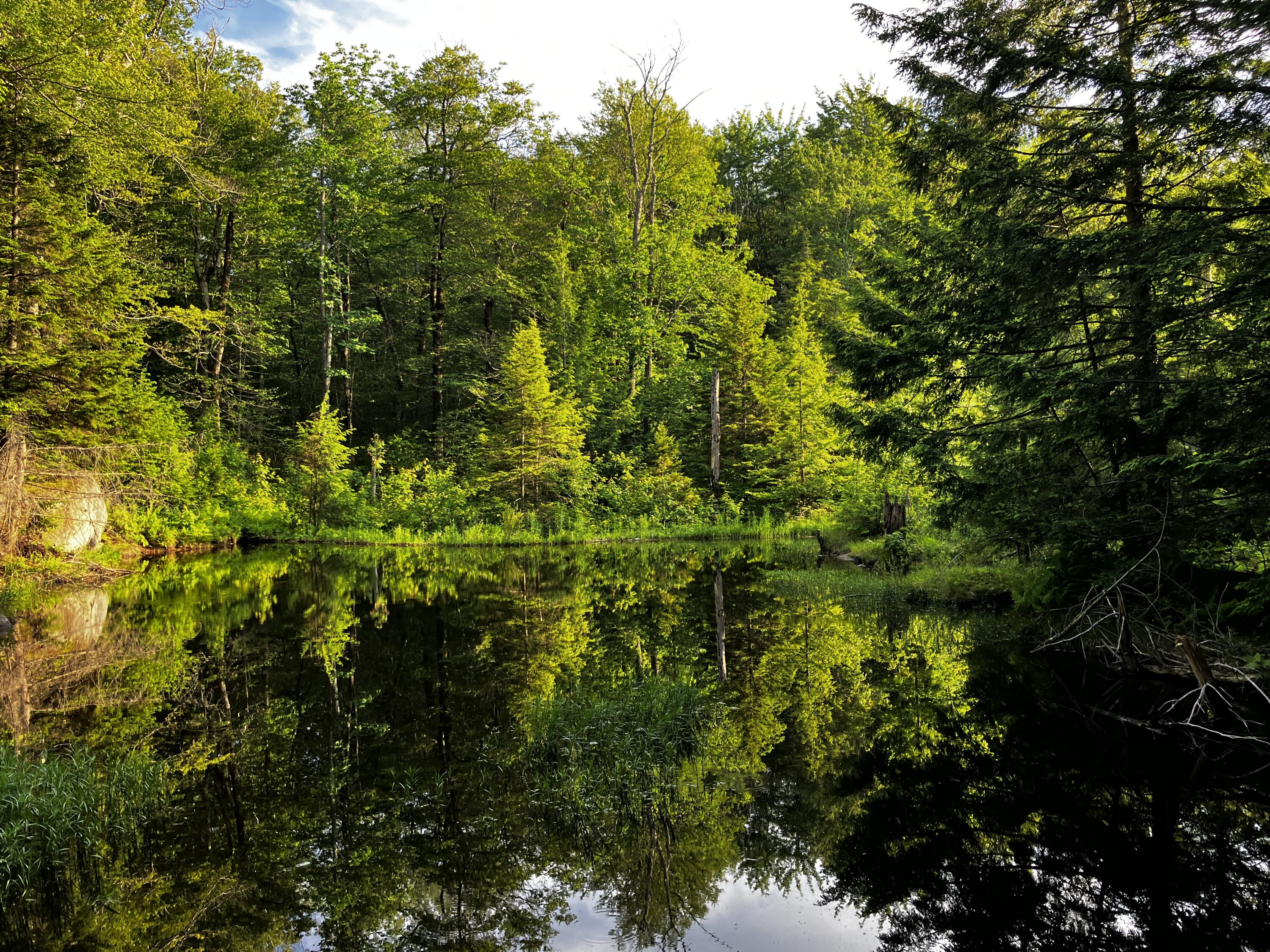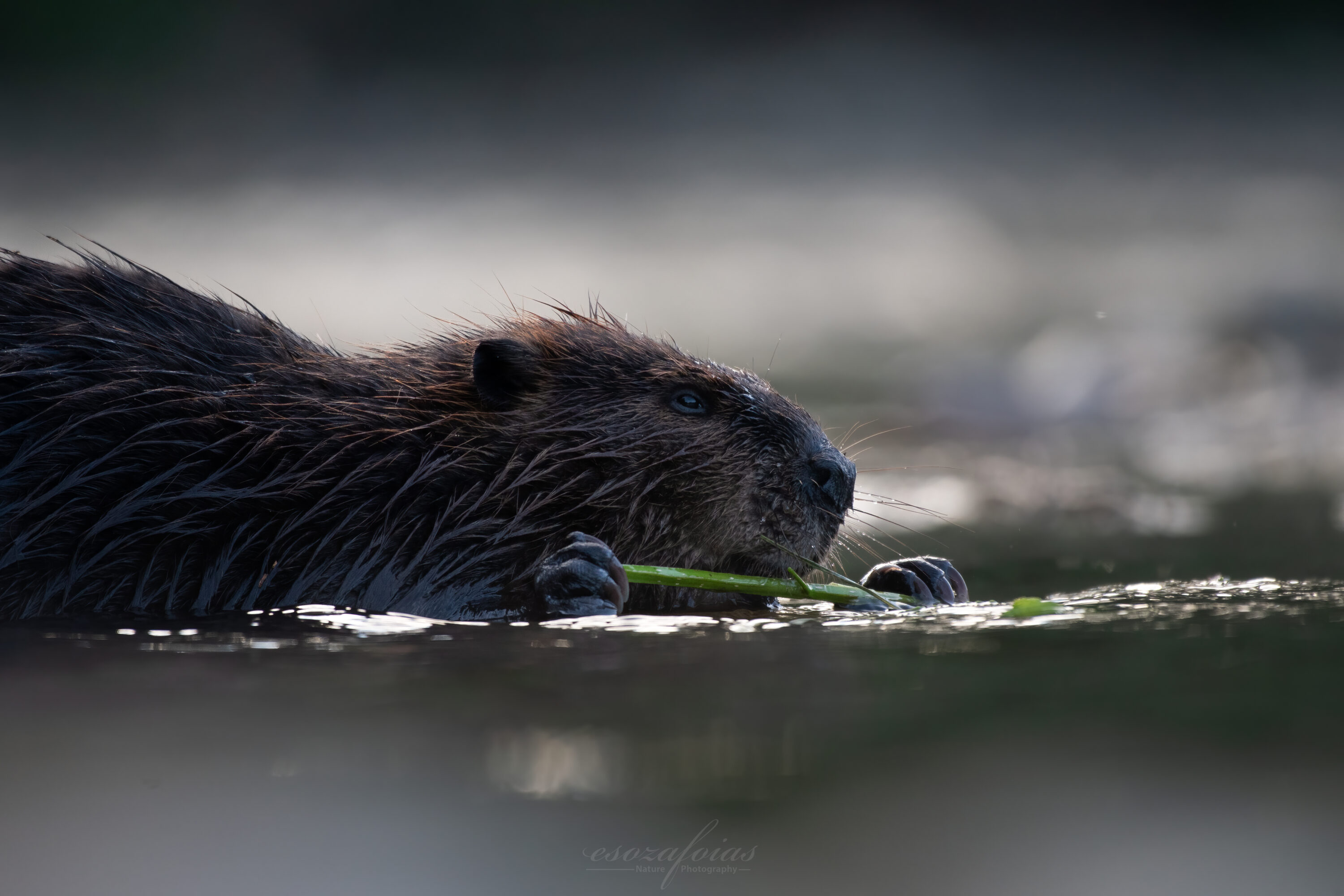
This past February, Vermont River Conservancy hosted a webinar with Leila Philip, the award-winning author of Beaverland: How One Weird Rodent Made America, as a part of their Reading the River book club series. Over 30 Vermonters across the state tuned in to hear Philip present virtually! We dove deeper into the world of the North American Beaver and its role in the landscape–from near extinction to the ecological history and story of how the beaver has shaped our history, culture, and environment.
The life histories of beavers have fascinated humans for centuries, turning the wheels of human imagination. Portrayed in art, music, and literature, the beavers were understood to be gentle, sometimes mythical creatures. In the Algonquin myth of Wishpoosh, a giant beaver represented the power of nature. Native American legends also show the beaver as industrious and sometimes proud (Ojibwa “How the Beaver got its tail”).
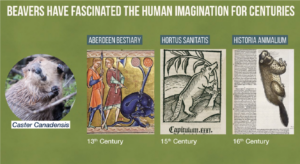
Webinar Presentation: Beavers in Human Imagination Throughout Centuries
Commoditization of Beavers:
However, large-scale hunting of beavers began in medieval Europe, when these mythical creatures were commoditized for their fur, meat, and castoreum (a scent gland secretion used as medicine).
16th Century:
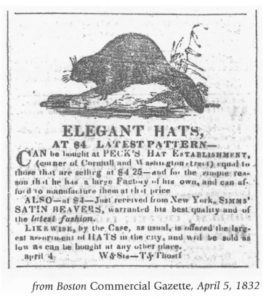
Ad from Boston’s Commercial Gazette, dated April 5, 1832.
- In Britain, beavers faced near-extinction by the 16th century. They were often misunderstood, featuring in bestiaries as creatures that would bite off their own testicles to escape hunters. Because of their scaly tails, they were sometimes classified as fish, allowing them to be eaten on fast days.
17th- 19th Century:
- Throughout the 17th and 19th centuries, beavers were exploited for the lucrative fur trade. Infamous for his fur business and practically wiping out the Giant Beaver (which was almost 1 meter tall), was John Jacob Astor.
20th Century:
- Before European colonization, the population of the “Beaverlands” was 60-400 million. “The Great Drying” period between these centuries, and continuing into the 20th-century droughts, caused a huge loss of beaver habitat. Beaver-altered ponds were also home to 30% more species of animals pre-Great Drying period.
Today:
- Now, beaver populations have dropped to a stark 10-15 million. Centuries of human development, extractive industries, and profit-driven projects such as dams have caused habitat degradation, reduced food sources, and generally unhealthy ecosystems, making it difficult to sustain a robust beaver population.
With these ecological changes, beavers learned to adapt. Perhaps that could explain why beavers were depicted differently in art during the Medieval period. Much has changed about the beavers, and so has our relationship with them.
Beavers: Restoring Rivers and Human Ecology
Beaverland author Leila Philips explains why she decided to immerse herself in understanding the beavers in North America:

Beaver swimming along snow bank by Gabriella Marchesani
“When we know too much about something, it backfires. We take advantage of this…we are story-making animals. It is how we make sense of the world around us. We need to reset our relationship with the natural world, reconfigure, and reflect on our relationship with ourselves and nature.”
Philips believes her learning about beavers also reflects how she might restore human ecology by engaging with something greater than herself.
There are so many facets about our environment that we can learn from beavers. As river engineers, they are strategic about how and where to block water flow and build dams. Beaverlands are breaks for fires and tame them. The average beaver pond stores 1.1 million gallons of water above ground and 6.7 million gallons underground.
Beaverland and Water
“If you need water, you put beavers in the watershed.”
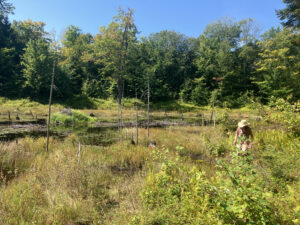
Beaver Wetland in Marlboro by Hayley Kolding
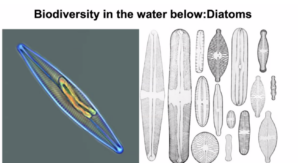
Beavers rehydrate the atmosphere by enhancing the hyporheic zone, which is important for cooling rivers and streams. Their dams create hydraulic head differences, forcing surface water to flow through sediments and back into the channel, enhancing the mixing of groundwater and surface water. The process supports nutrient cycling (nitrogen, phosphorus, carbon) and natural filtration through hyporheic exchange. The metabolic functioning at these “zones” also supports microbial activity and biodiversity in food webs, including diatoms, biofilms (algae, fungi, bacteria), tartegrade, and microscopic fungi. Remarkably, a beaver’s relationship with its ecosystem and built environment extends far beyond what its own eyes can see.
Beavers are magically doing the work that restores rivers and protects biodiversity from the impacts of harsh floods and drought from climate change. Their dams also contribute to cost-effective wildfire mitigation by enhancing floodplain connectivity and reducing peak flows. Floodplain connectivity and peak-flow reduction during storm events through beaver dams are a form of wildfire mitigation, and it’s very cost-effective. In addition to storm protection, Beaver Dam Analogs (BDAs) cost less than 20% of conventional, high-tech man-made structures per mile of stream.
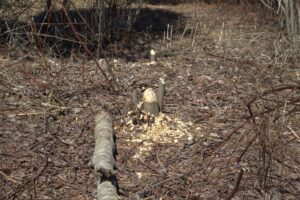
Beaver Chow Down by Gabriella Marchesani
Now, beavers are increasingly turning up in unexpected places, a subtle sign that their habitats are shifting. Perhaps it is climate change and changing storm patterns… even in areas that look lush with trees, their real food sources (a mix of aquatic plants) may be shrinking. Beavers and their ecosystems are continually pushed closer to their tipping points, forcing them to adapt in ways that don’t always come easily.
There’s a paradox about these remarkable creatures: beavers are both tolerant and deeply territorial, maintaining firm boundaries while still coexisting with others. Dorothy Richards, a conservationist, was labeled as the “crazy beaver lady” for her unique research that dismantled contrary opinions about how robotic beavers spent decades researching the beaver’s intellectual capacities. She created a beaver sanctuary, named Beaversprite, helping to reshape the narrative around beavers.
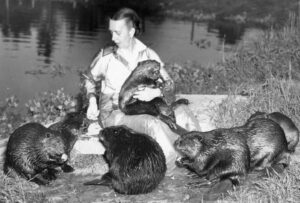
“Beaver Woman” Dorothy Richards
This is a delicate balance that humans should learn from the beavers. Beaver communities don’t rely on rigid hierarchies or “alphas,” but instead function through mutual cooperation. And then there’s their craftsmanship: beaver lodges are built from whatever materials are available, shaped by generational knowledge and instinct, making them natural architects of their own homes.
If you live on riparian lands and a possible beaver habitat, it’s not enough to just have trees near your home. To support beavers, you need to support the entire ecosystem with plants like willow, alder, cottonwood, and water lilies.
We must reshape how we think about land and water management by integrating a more holistic approach. In Beaverland, Leila Philip posits that supporting beavers isn’t just about conservation–it’s about strengthening watershed resilience in the face of climate pressures like drought, wildfire, flooding, biodiversity loss, and declining groundwater.
Legislatively, this could mean creating financial incentives for landowners, especially farmers, to protect their land while coexisting with beavers rather than removing their beaver dams. It could also mean expanding resources and education (such as Bo the Beaver) to prepare landowners to manage and care for potential “beaver landscapes”. By aligning policy with beavers’ natural engineering, we can work with their instincts rather than against them, building a more cohesive and reciprocal relationship.
We can start by seeing our rivers the way beavers in our own backyard do.

Paddling Next to Beaver Lodge by Zack Porter