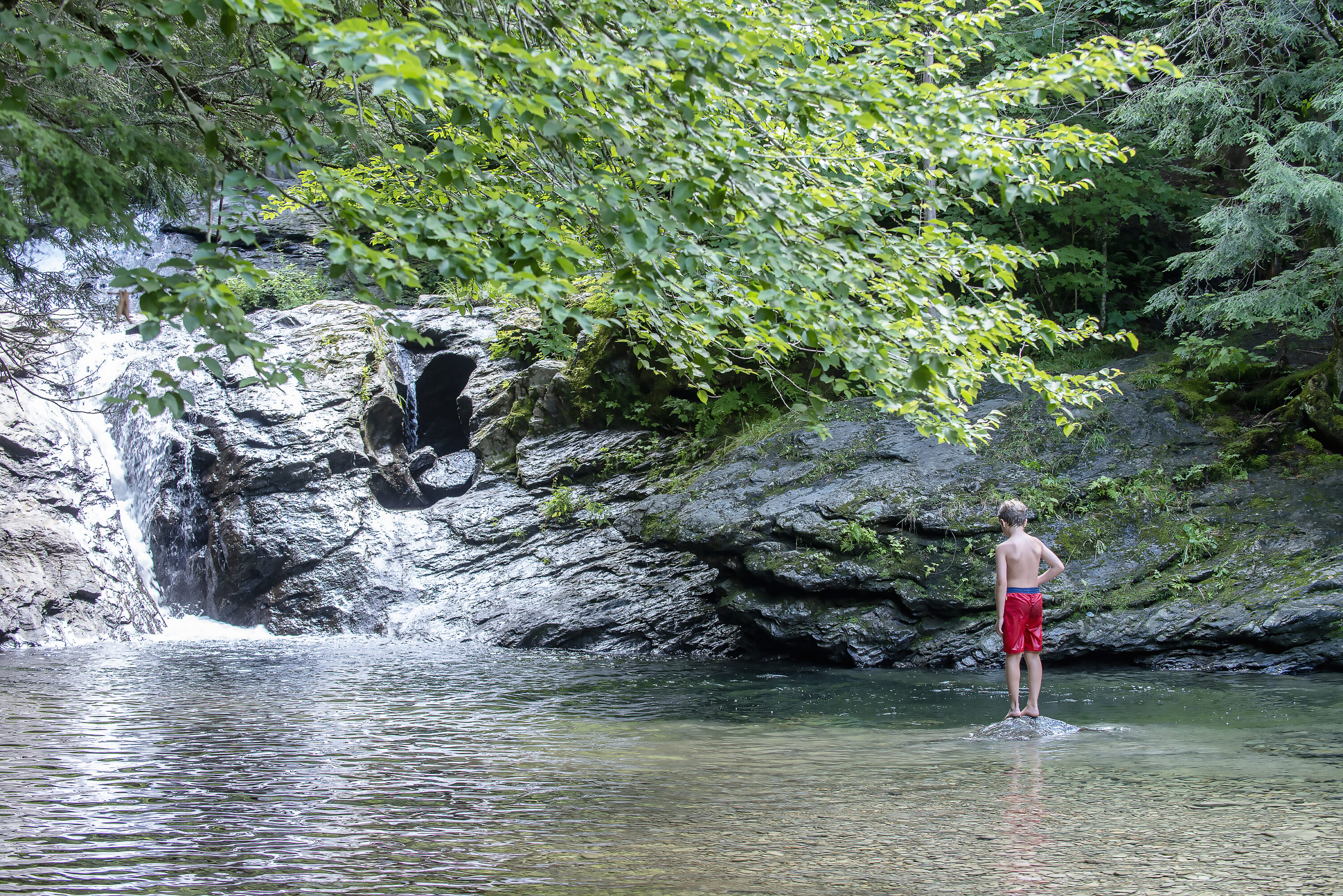
For generations, Vermonters have been fortunate to have access to hundreds of beautiful swimming holes – rivers’ and streams’ riffles and pools where people of all ages can cool off. Some of these favorite swimming holes are on public land owned collectively by all Vermonters, with the responsibility to care for these shared lands. Many more are open for all to enjoy thanks to the generosity of private landowners, which means it’s up to all of us to work together to ensure continued access for generations to come.
Next time you head to a swimming hole, here are some ways you can help take care of yourself and our rivers.
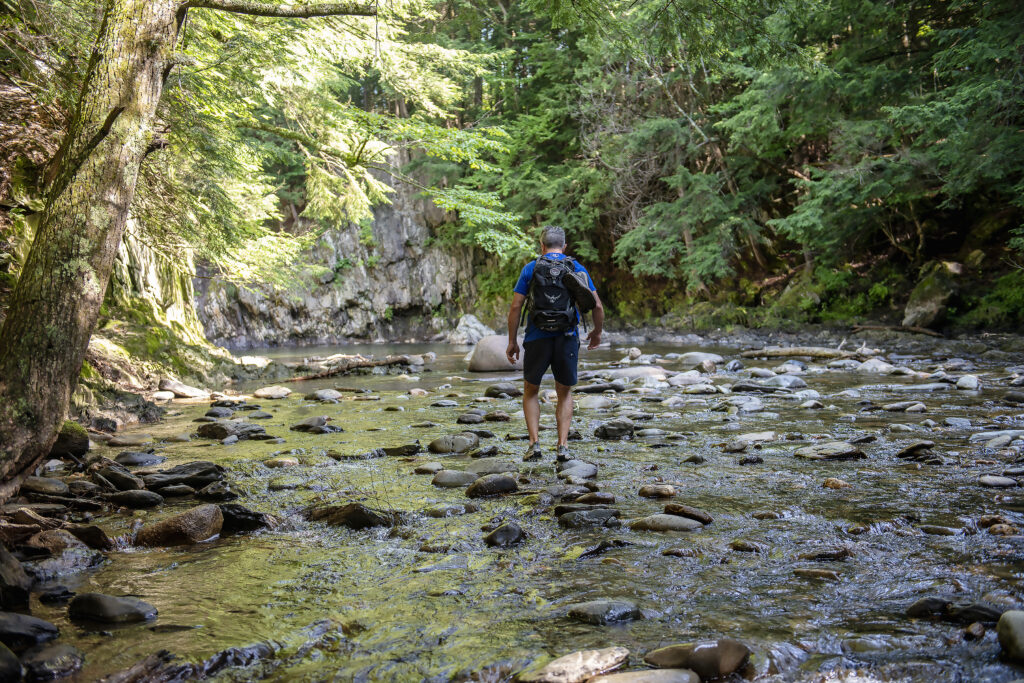
Vermont swimming hole by Jay Ericson
Protecting Sensitive Ecosystems
Responsible River Access:
When enjoying swimming holes, make sure you stay on the trail to help ensure your safety and protect the river. Avoid walking too close to the river or climbing down river banks to prevent erosion and accidentally falling in. Staying on trails also helps protect the trees and shrubs that play an important role holding riverbanks’ soil in place and filtering pollutants from the river.
Keep Rocks in their Spot:
River rocks are important homes for fish, insects, and aquatic plants in sensitive ecosystems of rivers and streams. Many fish lay their eggs in crevices between rocks, so moving rocks can expose the eggs to predators or wash them away. Even what seems like a small rock dam can change how the water flows and block fish passage from habitat up or downstream.
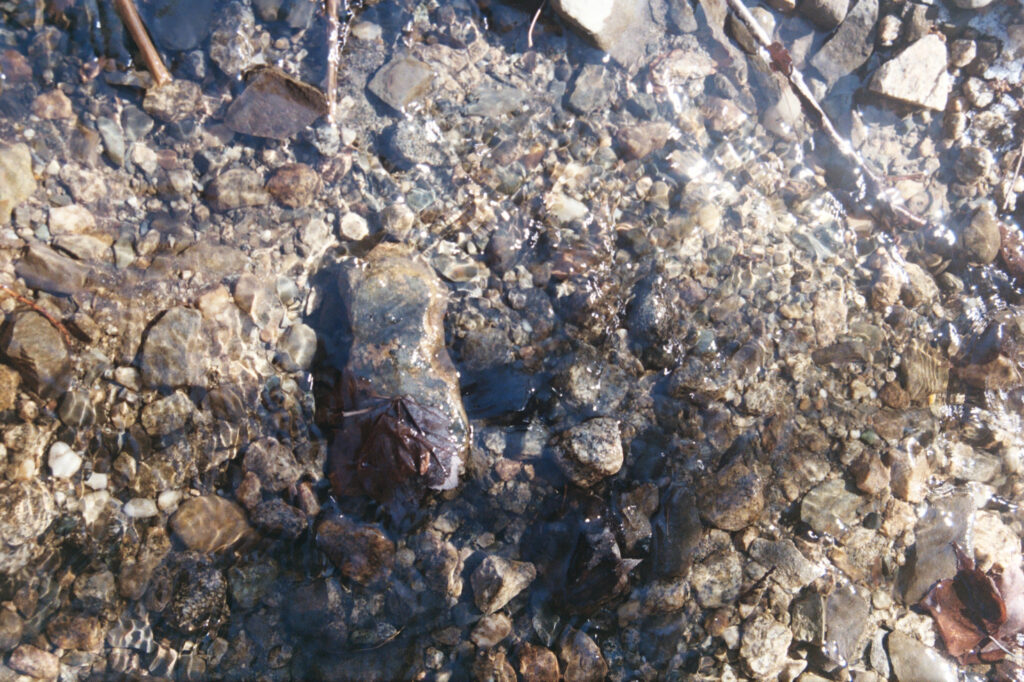
Rocks of Lang Brook in East Charleston, VT by Gabriella Marchesani
Environmental Stewardship
Stash your trash.
Any trash you carry in, you carry out. Most sites won’t have access to a garbage can, so plan ahead and bring a trash bag – and even take a few minutes to pick up other peoples’ trash to leave the site better than you found it. It might not be your trash, but it is your river access area. Leave it better than you found it for everyone to enjoy!
Always scoop the poop.
Did you know that a single gram of dog poop can contain 23 million bacteria? Rain washes bacteria and nutrients in pet waste left on the ground into nearby rivers and streams. None of that bacteria belongs in our water! Scoop the poop to protect local waterways!
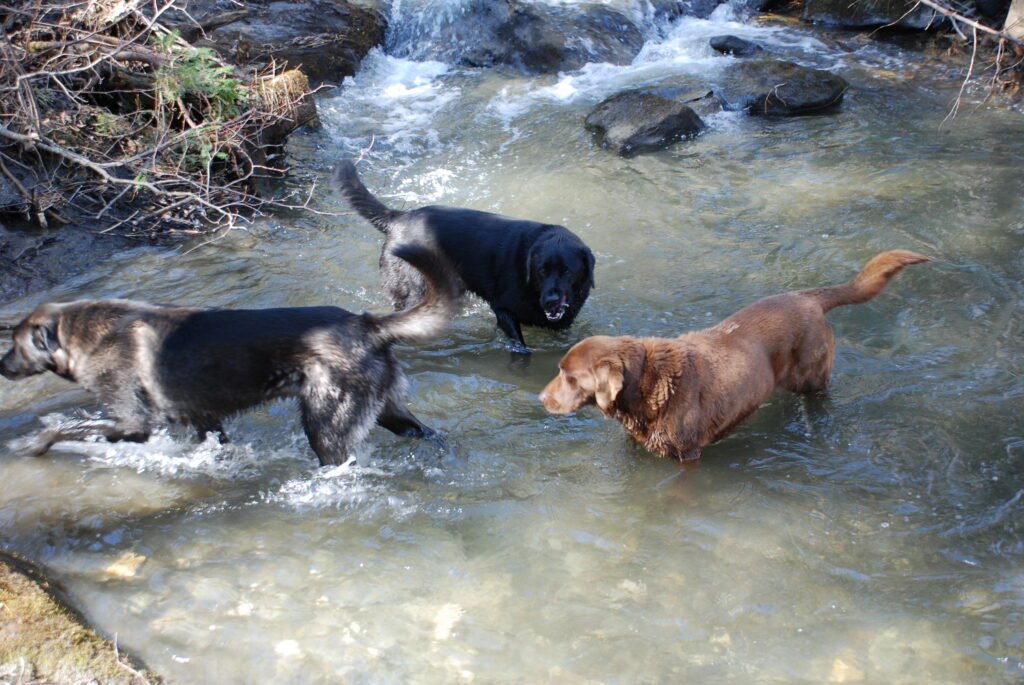
Dogs enjoying a summer swim in the Kingsbury Branch in Calais, VT by John Joy
Health Precautions
Ditch the Itch:
Unfortunately, many river access sites will be surrounded by poison ivy, which can cause an itchy, blistering rash. The most effective way to prevent poison ivy is to stay on trails. This way you avoid dense vegetation where poison ivy thrives.
Kick the ticks:
On your way to the swimming hole, you might encounter ticks, which thrive in meadows and forest edges. Always check for ticks, and take a shower and clean your clothes when you get home.
Plan Ahead:
The best way to ensure the best care for ourselves and the river is to plan ahead!
Make sure to research ahead of time to find out if the site has a restroom or trash cans available. This way if they aren’t available, you can locate public restrooms or trash cans nearby. Having a plan for waste disposal plays a big role in keeping our rivers clean!
If we want to continue swimming in our special swimming holes, we must do our part to protect these natural areas. By following these simple “leave no trace” guidelines, we can all keep enjoying our favorite swimming holes for years to come.