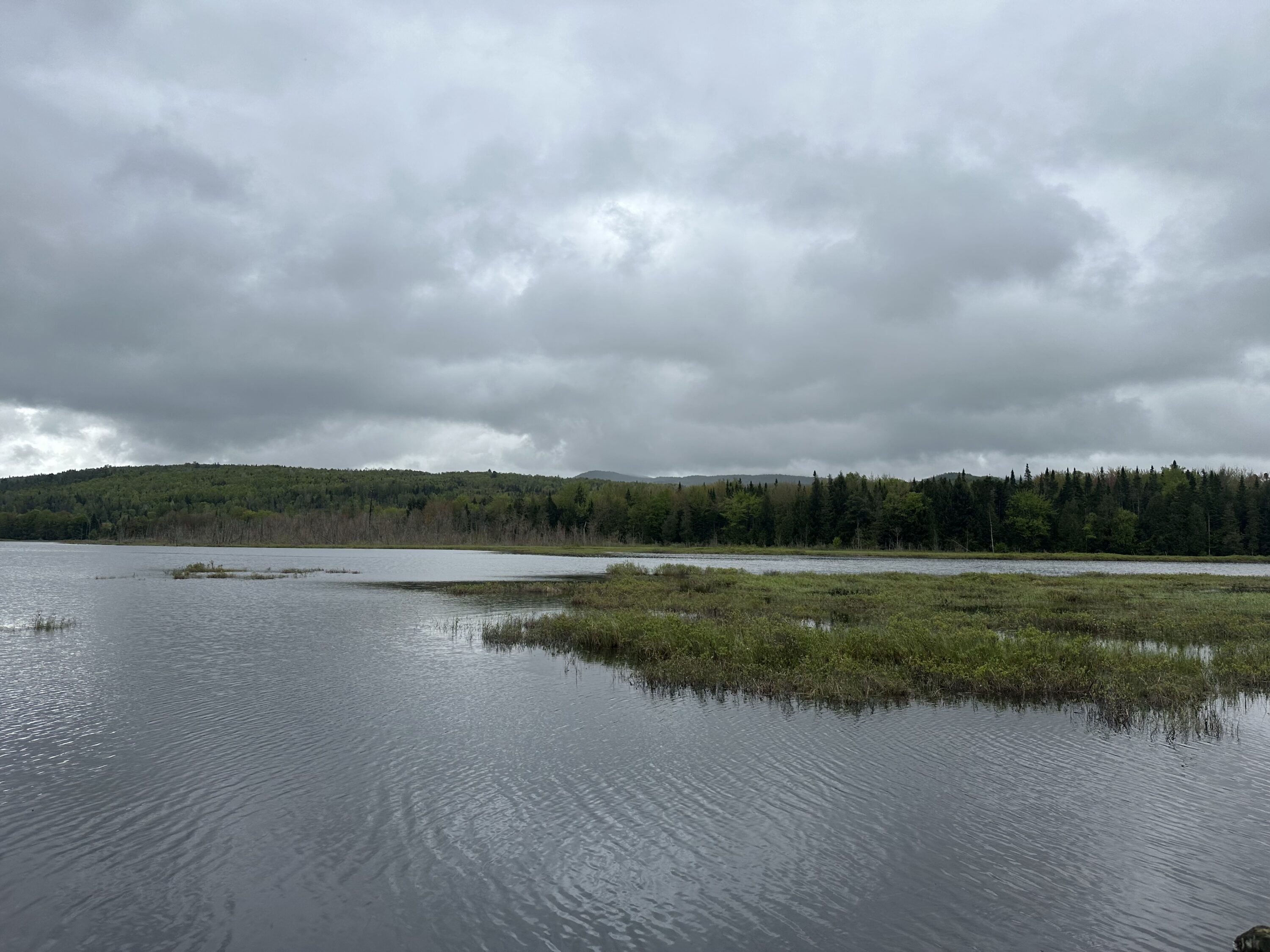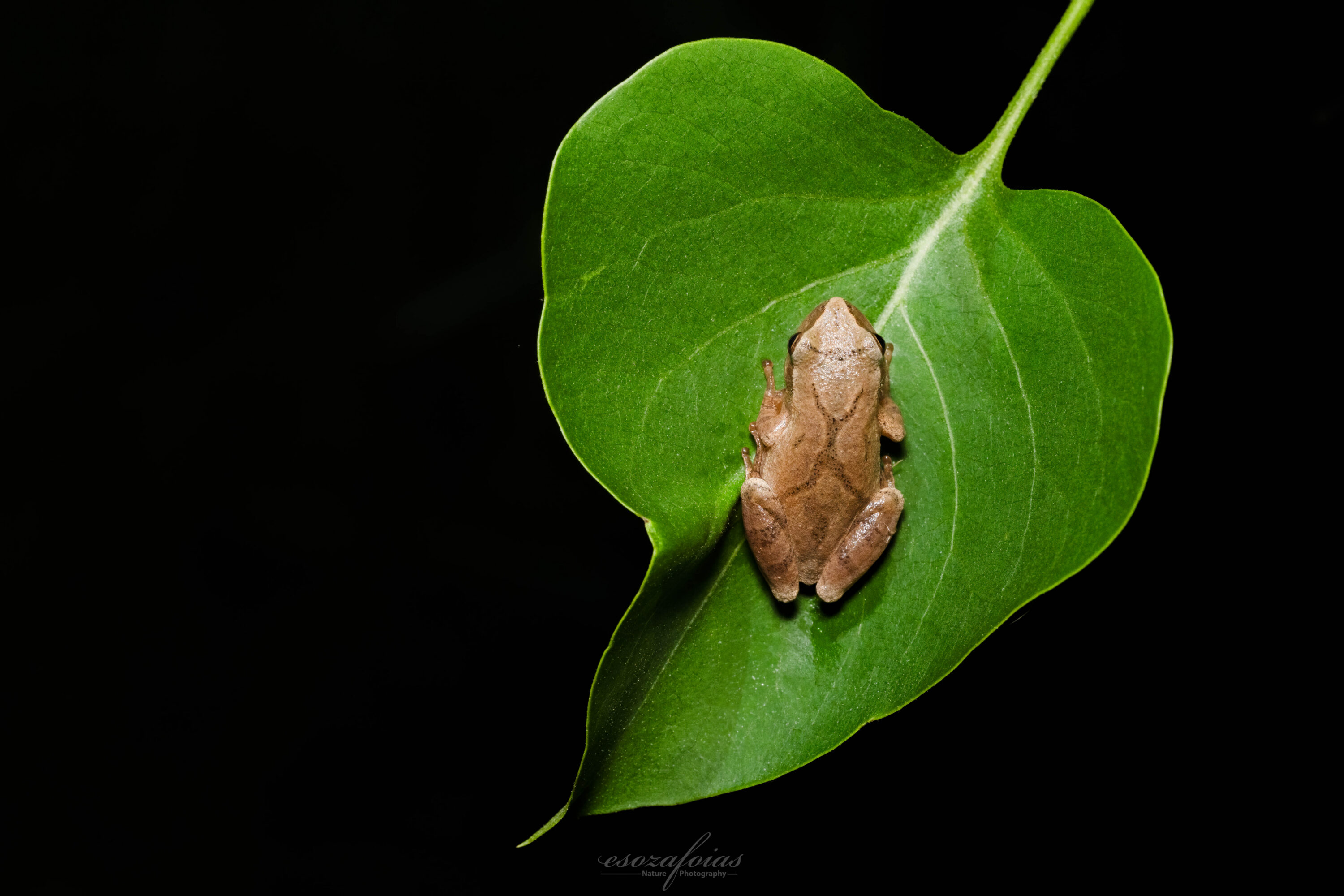
When the air is warm and water stretches across the land, their sound fills the night: peepers.
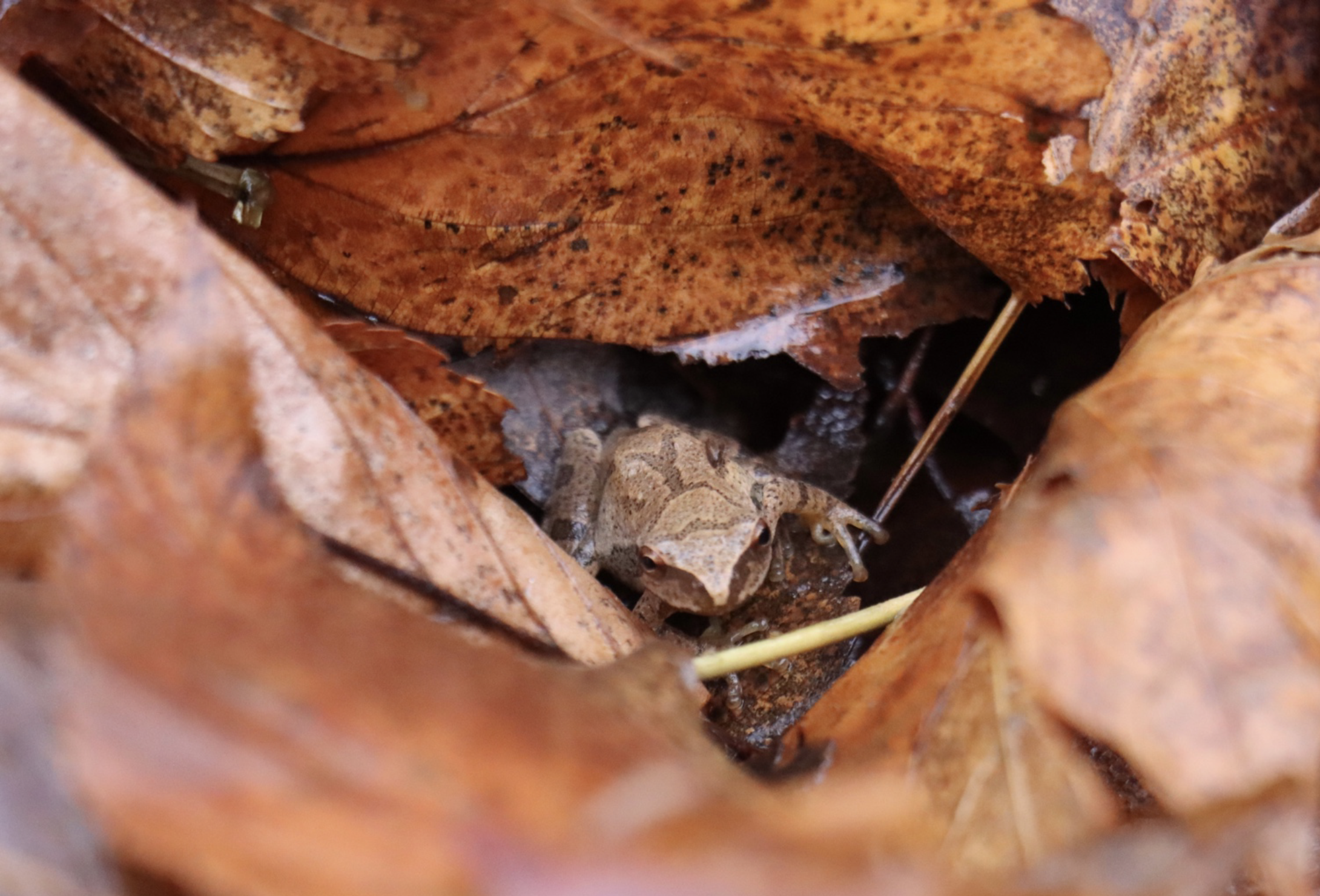
Rarely seen but determined to be heard, these tiny brown-green camouflaged frogs are smaller than your pinky, with larger-than-life voices that inspire us to fling our windows open to the night air. Joining the familiar music of these peep frogs are other voices: wood frogs, leopard frogs, mink frogs, American toads, and more join the chorus of amphibians emerging into spring.
And then there are the yellow-spotted, blue- spotted, and red-backed salamanders, their miniature toe-tips silently traveling remarkable distances to reach the next wetland.
Next come the caddisflies, whirligigs, and damselflies, insects that hatch in a rainbow of blues, greens, reds, and yellows to reflect summer sun and, one day, nourish the fish, frogs, and birds. Among the most diverse ecosystems on earth, wetlands – such as vernal pools, seeps, swamps, marshes, and peatlands – once blanketed more than one tenth of Vermont. Drained and filled over centuries, most of those wetlands have disappeared or been severely impaired: less life, more flood and drought, and quieter nights.
Beyond just protecting the wetlands we have now, we’re working to bring back more of these life-sustaining pools that once graced our great green state.
We’ve adapted our signature conservation easements to look beyond the flowing waters of the river corridor, to also include wetlands. In the Missisquoi watershed, one of the most impaired river systems in Vermont, two conservation projects will help farmers convert stubbornly-wet fields back into restored, life-giving wetlands.
High in the watershed, we’ll protect more than 50 acres in North Troy’s village center. Farmers here abandoned the land years ago, and wetlands are naturally coming back to life. A sign of success: trees, shrubs, and vegetation are maturing to create a complex wetland system. Old ditches once used to drain the wetlands are naturally filling with sediment and dead wood, distributing the water and creating ideal habitat for nursery fish, waterfowl, songbirds, and semi aquatic mammals like beaver, muskrat, and mink.
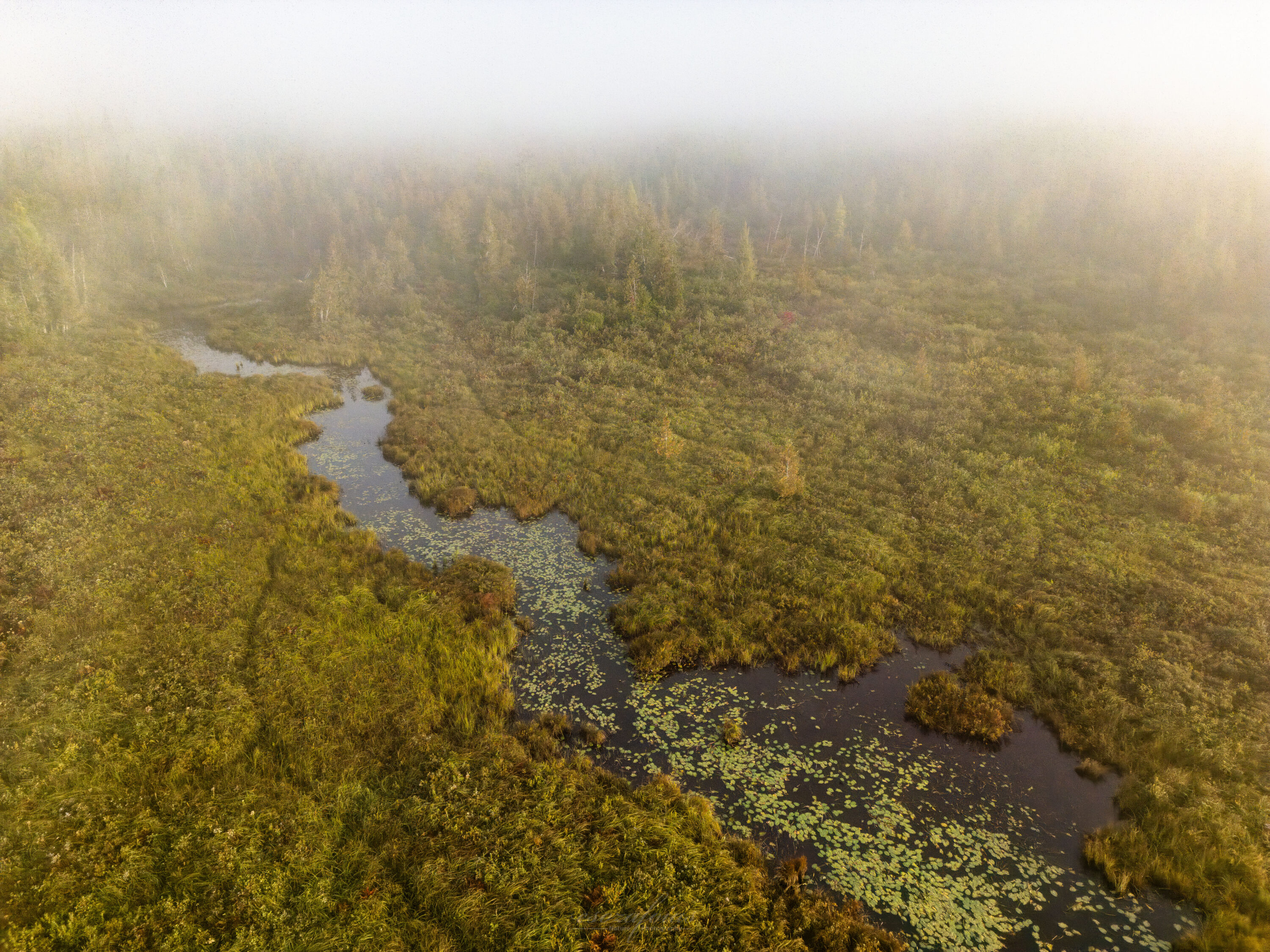
Our work with the landowners here will ensure the watery oasis can continue its path to restoration and, one day, allow people to connect with the land via boardwalk paths or a small paddlers’ launch.
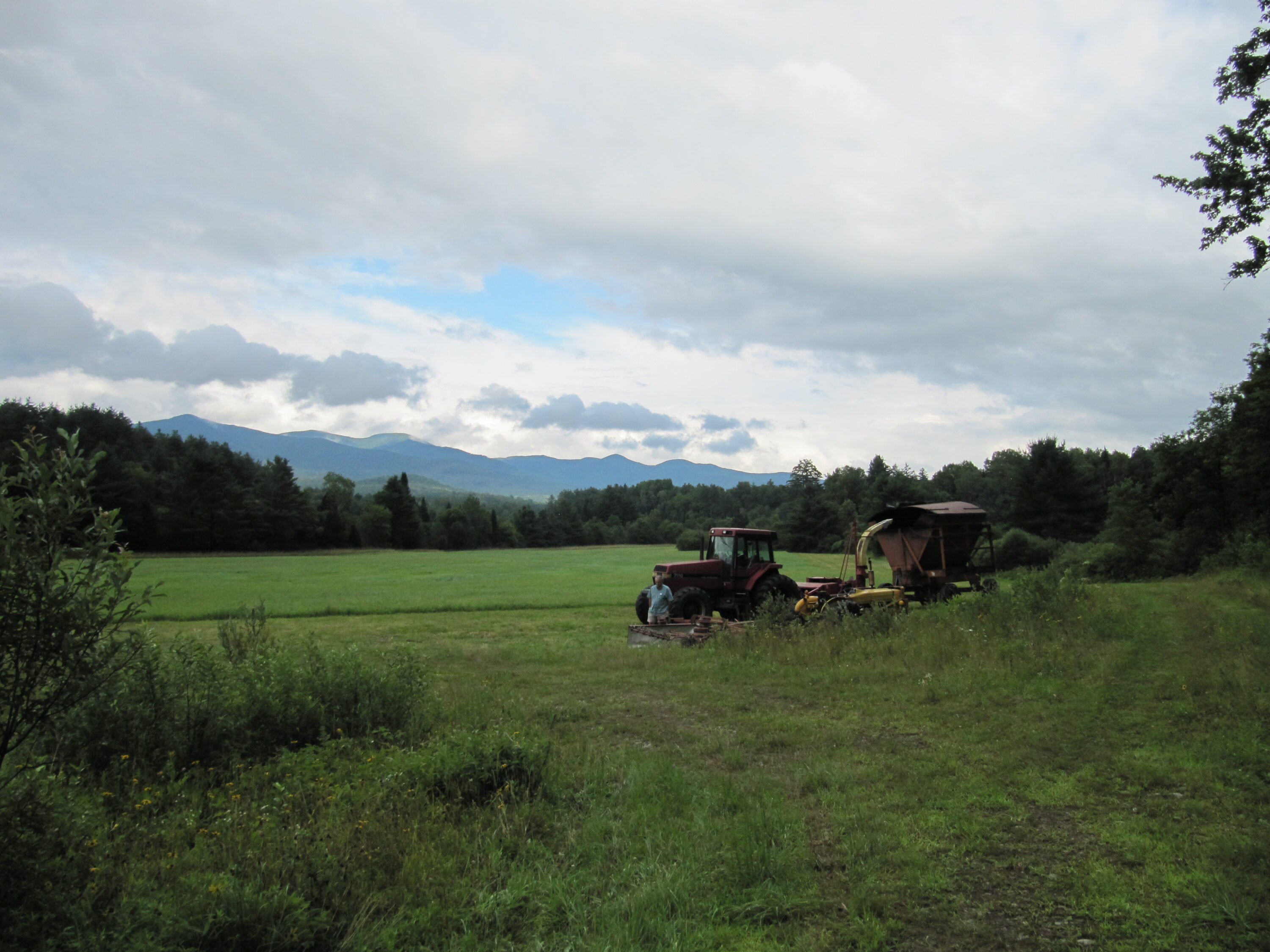
Downstream, close to where the Missisquoi spills into Lake Champlain, longtime farmers reached out to us for help. Some of the areas they hayed and grazed for years are frustratingly damp. The stream that passes through the farm has steep banks – eroded away due to the lack of trees and shrubs – and is surrounded by a damp meadow. When we took a look at the land using LiDAR (like x-ray vision for the land!) we could see ancient meanders where the stream used to flow, giving us hope that, with the protections of a conservation easement, the stream will rediscover these old channels during high water, and over time will nurture a rich wetland complex back to life.
“Unproductive” for farming, these lands will have the chance to naturally restore over time, joining the ranks of some of the most productive ecosystems in the world: wetlands.
In Vermont’s Northeast Kingdom, we’re working to protect a particularly scenic stretch of the Clyde River. Almost all of the 150 acres are filled with swamp-loving white cedars, red and silver maples, sensitive fern floodplain forest, and emergent marsh – making it one of the most ecologically significant wetland complexes in the Memphremagog Basin. With our conservation protections, this stunning wetland forest can continue to thrive long into the future.
Of the many places we’ll protect this year, every site includes wetlands that will grow and thrive under our legal protections, helped by beavers, Mother Nature, and Grandfather Time. Here’s to wetlands: to more life, more resilience, and more melodious spring nights.