Here’s a taste of some of the ways our staff team has been fostering curiosity, connecting with partners, and sharing what we’ve learned with others.
Wetland Scientists Unite
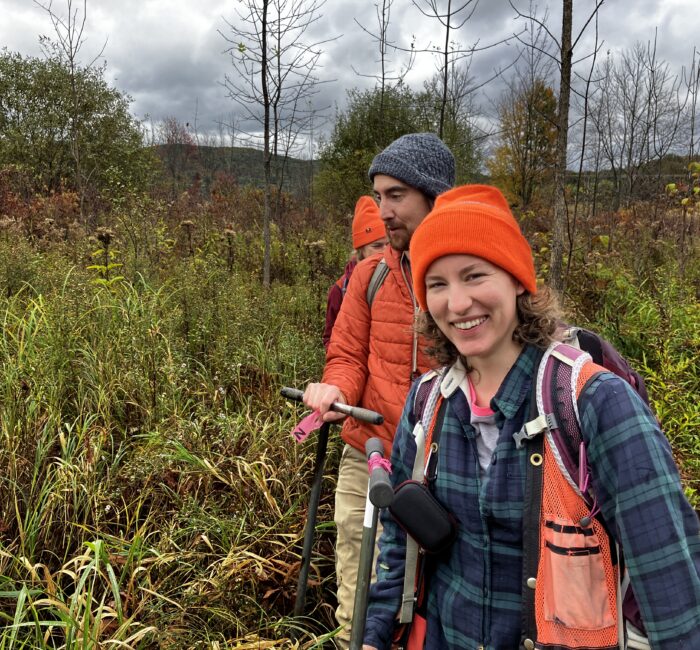
For the last three years, our team has united with wetlands specialists from across the state at Vermont Association of Wetland Scientists’ (VAWS) annual day-long gathering. A chance to learn the latest restoration techniques, exchange ideas, build on one another’s work, and generally nerd out together, the March gathering in East Burke left our team energized and inspired. Thank you, VAWS!
Beaver Believers Build Beaver Deceivers
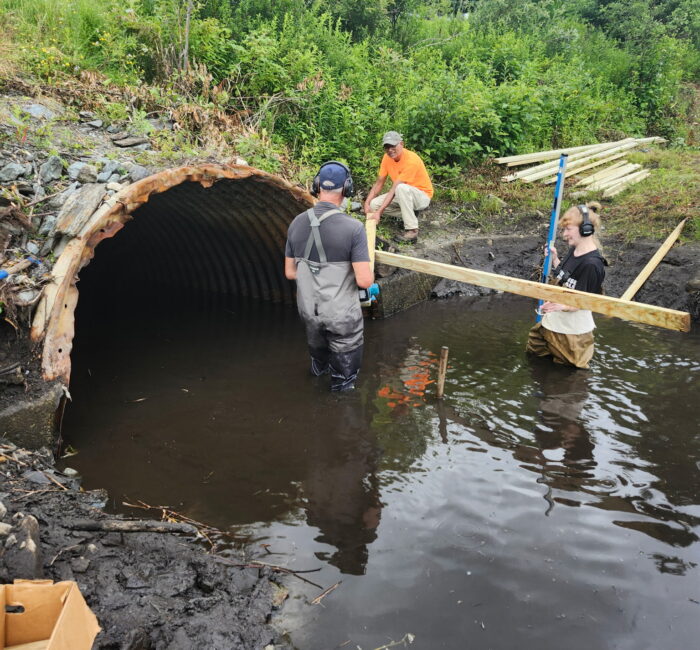
Last fall, VRC Stewardship Manager Amanda Garland worked alongside Skip Lyle to learn techniques that allow people and beavers to coexist by building a flow device that keeps culverts open, manages the flood level, and allows beavers to continue to provide their ecological services. Helping spread the word, Amanda led a tour of the site with North Branch Nature Center so that people could get to know wetlands and beavers first hand.
1,000 Trees for the Lamoille
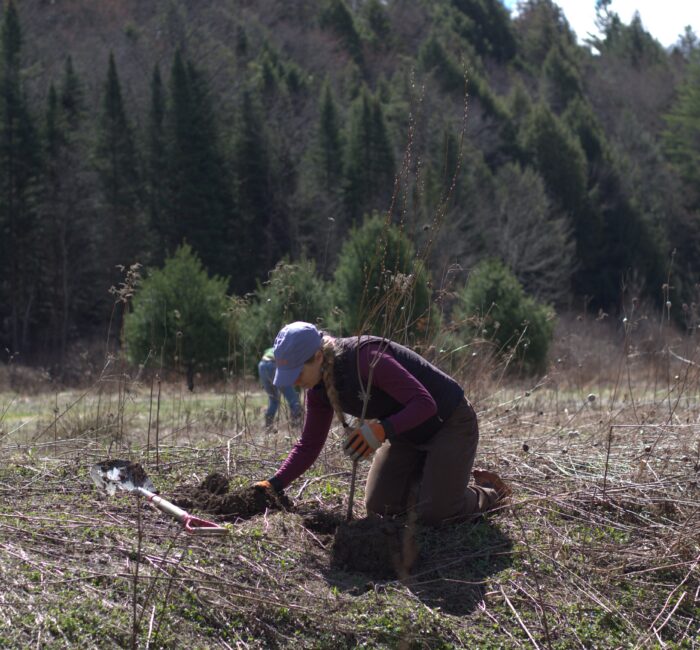
This April, more than 50 volunteers joined us to plant 1,000 trees and shrubs in the floodplains of the Lamoille River and Wild Branch, all part of an effort to improve water quality, increase flood resilience, and provide habitat for wildlife. Partners included the Lamoille Valley Regional Planners, The Bee App, Concept 2, rbTechnologies, AVA Tree Service, Middlebury College, and Verterra Nursery. Thank you, volunteers and partners!
Turtle Nests
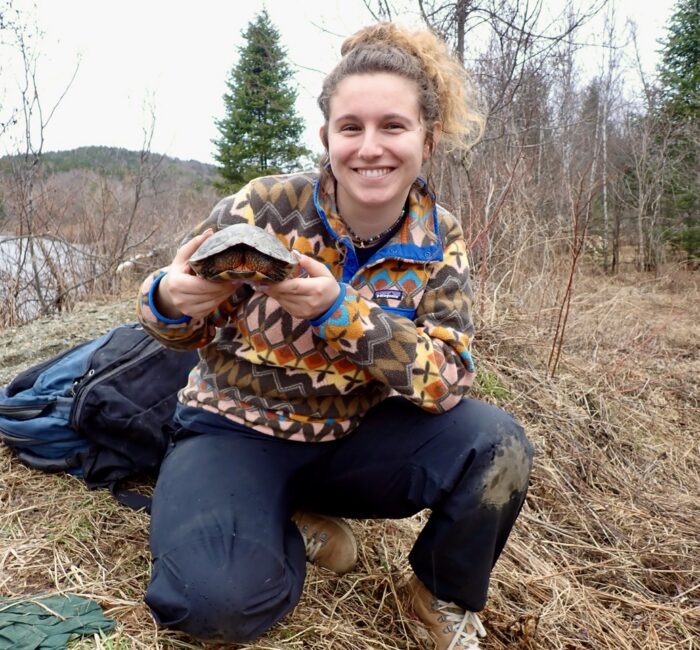
Thanks to a partnership with University of Vermont’s Environmental Stewardship Internship Course, senior Sarah DiBiasio spent the spring semester restoring wood turtle habitat. She meticulously removed knotweed roots and shoots from sand deposits, helping ensure that weed-free beds welcome turtles when they’re ready to lay eggs this summer. Plus, she built and installed innovative predator protection to increase the turtle eggs’ survival odds.
After the Dams
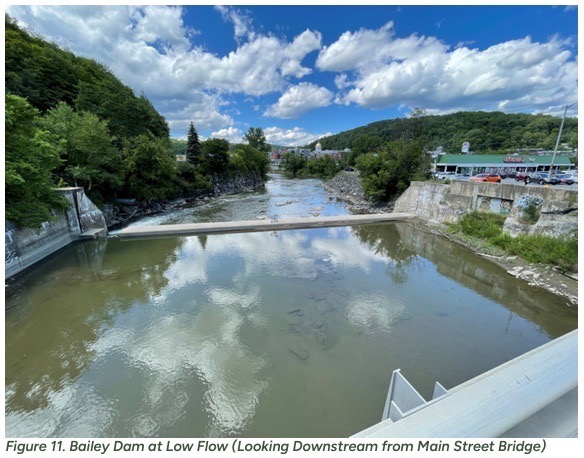
In April, nearly 100 people joined us in Montpelier to hear about our progress towards removing four dams in and upstream of the capital city – a big step forward for flood resilience – and to envision what river recreation might look like once the dams are removed. The engineering studies we’ve been leading are on track to be complete, with at least one dam ready to take out as soon as 2027. We (and the fish) can’t wait!
Photos with a Story
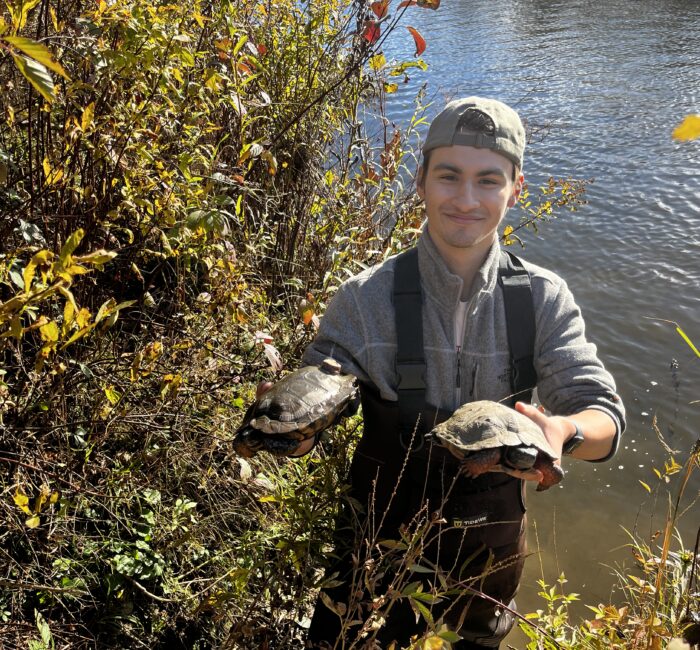
We’re grateful to professional photographer Emanuel Soza-Foias, whose stunning photos help tell the stories of the places we work to protect. Right, he spent the day with us in the field helping tell the story of our wood turtle restoration. Thank you, Emanuel!